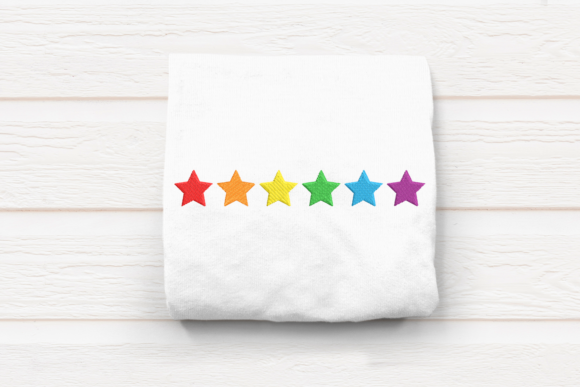
Horizontal Row of Stars: A Seasonal Design Review
As I curate my upcoming seasonal collection, I am constantly evaluating which digital assets will translate best into profitable, high-quality finished products. When reviewing the Horizontal Row of Stars machine embroidery design, my immediate impression is one of versatile festivity. This design strikes a delicate balance between playful nostalgia and modern elegance, making it an exceptional candidate for holiday embroidery projects. The emotional tone is inherently celebratory yet grounded, evoking feelings of warmth and tradition without being overly specific to a single holiday. This neutrality allows the design to transition seamlessly from Thanksgiving tablescapes to Christmas apparel and even New Year’s Eve accessories.
From a designer’s perspective, the multi-color aspect of this row is its strongest selling point. Because each star is digitized as a separate color stop, it offers immense creative freedom. For an Etsy seller or small shop product creator, this means one embroidery file can yield dozens of unique SKU variations. You are not locked into a traditional red-and-green palette; you can adapt the thread colors to match current interior design trends, school colors for family gifts, or specific brand aesthetics for commercial embroidery clients. The design feels premium because of this customization potential, elevating it above generic, single-color clip art often found in basic shape libraries.
Strategic Applications for Holiday Product Lines
When planning a seasonal drop, versatility is key to maximizing return on investment. The Horizontal Row of Stars excels as a decorative border, which is a fundamental element in textile design. In my testing for upcoming collections, I have identified several high-value applications where this design performs exceptionally well.
- Sweatshirt Embroidery: Placing this row across the yoke or just above the cuff creates a trendy, boutique-style look. It adds visual interest to blank apparel without overwhelming the garment, making it perfect for matching family pajamas or cozy winter wear.
- Kitchen Towel Embroidery: As a bottom border on flour sack towels, the stars provide a festive touch that appeals to gift buyers. The linear format respects the towel's grain and function, ensuring the embroidered patch area remains flat and absorbent.
- Tote Bag Design: For holiday market shoppers, a row of stars near the top opening of a canvas tote adds a handmade charm. It serves as a subtle branding element for makers selling at craft fairs.
- Pillow Cover Accents: Running the design horizontally across the center or as a top/bottom border transforms plain linen into seasonal home decor. This is particularly effective for creating coordinated sets that increase average order value.
- Baby Items and Bibs: Using pastel or primary thread colors turns this design into an adorable trim for nursery textiles. The clean lines of the shapes category ensure it looks crisp on smaller items.
For social media previews and printable mockups, the distinct separation of colors in this design makes it easy to recolor digitally. This allows for rapid content creation, showcasing multiple variations of a personalized gift before stitching a single sample. Buyers respond emotionally to seeing their specific color preferences represented, which directly boosts engagement and conversion rates during the busy holiday shopping period.
Technical Considerations and Fabric Compatibility
While the aesthetic appeal of the Horizontal Row of Stars is evident, successful execution requires technical diligence. As with any embroidery file, understanding the interaction between stitch density and fabric texture is paramount. Before adding this to your production queue, you must consider where the design might face challenges.
Stretchy Garments and Knits: If applying this border to ribbed knitwear or stretchy sweatshirts, the horizontal nature of the design can be unforgiving. Knits move vertically and horizontally; if the stabilizer is insufficient, the stars may distort or cause tunneling between elements. Always use a high-quality cut-away stabilizer and consider a water-soluble topping to prevent stitches from sinking into the pile.
Thick Textiles and Terry Cloth: On plush towels or fleece blankets, the detail level of the stars must be assessed. If the individual stars are too small or the stitch density is too light, they may get lost in the fabric nap. Test stitching on a scrap piece of the exact material you intend to sell is non-negotiable. You may need to adjust pull compensation in your software to maintain the geometric integrity of the shapes.
Metallic Threads and Dark Fabrics: The multi-color stops invite the use of metallic threads for a premium holiday sparkle. However, metallic thread requires slower machine speeds and specialized needles to prevent breakage. Furthermore, when stitching light-colored stars on dark velvet or wool, ensure adequate underlay is present to prevent the dark fabric from showing through the satin stitches. Without proper coverage, the contrast diminishes, and the design loses its festive pop.
Curved Surfaces: While excellent for flat borders, this linear design requires careful hooping when applied to curved caps or sleeves. Distortion is likely if the hoop size does not accommodate the full width comfortably. For caps, consider splitting the design or using a specialized cap frame to maintain alignment.
Designer Notes for Commercial Success
To ensure the Horizontal Row of Stars becomes a staple in your seasonal inventory rather than a source of frustration, adhere to these professional best practices. These steps protect your reputation as a maker and ensure customer satisfaction with every handmade gift sold.
- Verify Specifications: The product description highlights the six-color option but does not specify exact dimensions or stitch counts. Always check the technical data sheet included with the digital embroidery file to confirm it fits your available hoop size. Never assume compatibility based solely on the thumbnail image.
- Test Thread Colors Extensively: Do not rely on screen colors. Stitch out color charts on both white and dark fabric bases. What looks vibrant on a monitor may appear muddy on cream linen or neon on navy cotton. Document your successful thread conversions for future reorders.
- Review Licensing Terms: Before listing any finished product derived from this design, thoroughly review the license agreement. Confirm whether commercial embroidery use is permitted and if there are limits on the number of units sold. Respecting intellectual property builds trust within the maker community and protects your business legally.
- Create Realistic Mockups: Use photos of actual stitched samples for your listings whenever possible. Digital renders can sometimes misrepresent stitch texture and scale. Showing the true fabric texture and stitch definition helps manage buyer expectations and reduces returns.
- Plan Color Palettes Strategically: Develop three to five signature colorways for the season (e.g., "Classic Red & Gold," "Winter White & Silver," "Rustic Sage & Berry"). This streamlines production and presents a cohesive brand identity to shoppers browsing your shop.
- Check Washability: If selling kitchen towels or baby items, wash and dry your test sample aggressively. Ensure the stars do not pucker, shrink, or unravel after laundering. Durability is a key component of product value for repeat customers.
The Horizontal Row of Stars represents more than just a simple border; it is a foundational building block for a diverse seasonal catalog. Its ability to adapt through color changes and placement makes it an invaluable asset for apparel decorators, home decor artisans, and gift makers alike. By approaching this design with technical precision and strategic creativity, you can transform a basic shape into a signature element of your holiday collection. Remember that in the world of machine embroidery, the difference between a good product and a bestseller often lies in the details of execution and the thoughtfulness of the application. Take the time to test, plan, and refine, and this design will undoubtedly shine in your seasonal offerings.