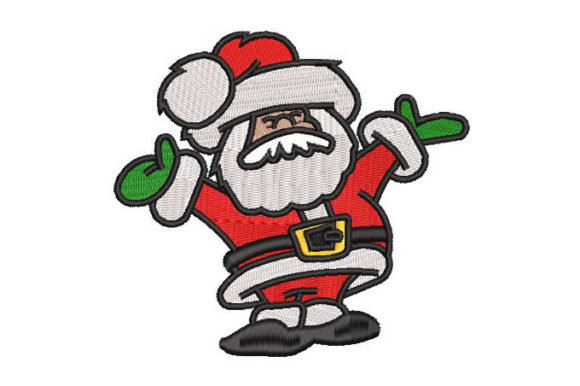
Merry Santa Claus: A Designer’s Review for Gifts
As an embroidery designer preparing inventory for the upcoming holiday rush, I approach every new machine embroidery design with a critical eye. It is not enough for a digital file to look charming on a screen; it must translate beautifully onto physical fabric and withstand the rigors of customer use. When evaluating the "Merry Santa Claus" design for my personalized gift shop, I looked beyond the festive aesthetic to assess its technical viability and commercial potential. This review shares my practical testing notes and product planning strategies for fellow makers, Etsy sellers, and small business owners considering this cheerful motif for their Christmas collections.
First Impressions: Charm Meets Commercial Viability
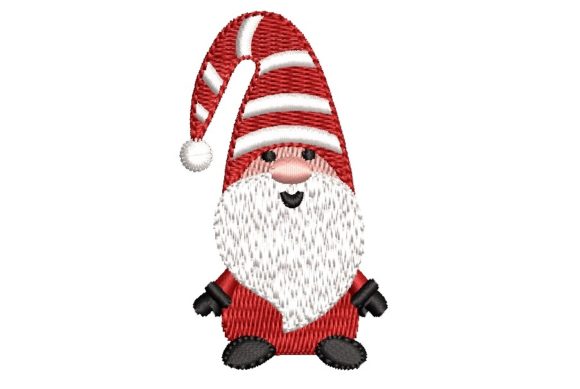
My initial reaction to Merry Santa Claus was one of immediate warmth. The design captures a playful yet classic essence that strikes the perfect balance between nostalgic and modern. For a handmade product, emotional resonance is just as important as technical precision. This Santa possesses a sweetness that avoids being overly cartoonish, making it versatile enough for both children’s items and sophisticated adult home decor. The lines appear clean, suggesting that the digitizer prioritized smooth stitch paths over unnecessary complexity. This is crucial for maintaining a professional finish when scaling the design for different applications. As a shop owner, I can immediately visualize this design anchoring a collection of seasonal goods because it evokes the specific joy associated with traditional holiday celebrations while remaining fresh enough for contemporary tastes.
Real-World Applications for Personalized Gifts
When planning my production schedule, I categorize designs by their end-use versatility. Merry Santa Claus shines as a centerpiece for various personalized gift categories. During my test run, I envisioned several key products where this design would add significant value.
- Nursery and Baby Embroidery: The gentle expression makes this ideal for baby blankets or stocking caps. However, for baby embroidery, I recommend pairing it with soft, rounded fonts to maintain the innocent mood.
- Home Decor Accents: This design is a natural fit for a decorative pillow cover. Stitched in rich reds and whites against cream linen, it creates an instant heirloom feel for mantels and reading nooks.
- Kitchen and Hosting Textiles: An embroidered towel or hostess apron featuring this Santa adds a functional festive touch. These are high-turnover items during the holidays and make excellent add-on sales for custom orders.
- Keepsakes and Totes: For customers seeking reusable gift packaging, stitching this onto canvas tote bags elevates the unboxing experience. It transforms a simple bag into a keepsake they will reuse year after year.
For those creating wedding gift baskets or family reunion memorabilia during the winter season, this design offers a way to incorporate holiday spirit without overshadowing the primary personalization, such as a couple's name or family surname.
Technical Considerations and Fabric Limitations
While the visual appeal is strong, successful custom embroidery requires respecting the relationship between the design and the substrate. Not every fabric is a suitable canvas for Merry Santa Claus. Through testing, I have identified specific scenarios where caution is necessary.
Navigating Texture and Stretch
If you plan to stitch this on thick terry cloth towels or plush fleece blankets, you must account for the fabric texture. High-pile fabrics can swallow fine details. In these cases, using a water-soluble topping is non-negotiable to keep the stitches crisp. Conversely, when working with stretchy knits for jumpers or baby onesies, the stitch density becomes a concern. If the design is too dense, it can create a stiff patch that is uncomfortable against skin or causes the garment to pucker. Always verify the density settings in your software before committing to expensive apparel blanks.
Size and Detail Integrity
Every embroidery file has a minimum viable size. Before resizing Merry Santa Claus down for a small cuff or pocket, check the smallest text elements and facial features. Reducing a design too much can cause satin stitches to merge or registration to fail. I always advise testing the absolute minimum size on scrap fabric first. Additionally, be mindful of curved surfaces like stuffed animals or pre-assembled bags; hooping distortion can alter the aspect ratio of Santa’s face, so proper stabilization and potentially magnetic hoops are essential for maintaining proportion.
Elevating Perceived Value and Customer Trust
In the competitive landscape of digital marketplaces, the quality of your finished embroidery directly impacts buyer engagement. A well-executed Merry Santa Claus signals professionalism. When customers see crisp outlines, balanced fill stitches, and appropriate thread sheen, their trust in your brand increases. This perceived value allows for better pricing margins compared to mass-produced alternatives.
Photography plays a massive role here. Do not rely solely on the printable mockup provided with the digital embroidery file. While mockups are useful for listing variations, nothing sells a finished product like a photo of the actual stitched item. Show the texture. Photograph the pillow cover in natural light next to other holiday props. Capture the sheen of the rayon or polyester threads. This tangible proof of quality bridges the gap between digital browsing and physical purchase, reassuring customers that their personalized gift will arrive exactly as promised.
Essential Production Checklist for Makers
To ensure consistent results whether you are fulfilling a single custom order or batch-producing for a craft fair, follow this practical workflow before listing Merry Santa Claus in your shop:
- Verify Specifications: Since specific details vary by vendor, always confirm the exact stitch count, available sizes, and included formats before purchase. Ensure the largest size fits your machine’s maximum hoop size.
- Check Licensing: Review the terms regarding commercial embroidery. Confirm you have the right to sell finished physical products embroidered with this design, especially if you operate a high-volume shop.
- Stabilizer Selection: Match your backing to the fabric weight. Use cut-away stabilizer for knits and stretchy materials to prevent distortion over time, and tear-away for stable wovens like quilting cotton or linen.
- Thread Color Validation: Do not assume standard red and white will suffice. Test specific thread colors against your chosen fabric under good lighting. Dark fabrics may require a white underlay or outline to make the colors pop, while light fabrics might need darker shading for definition.
- Test Stitch-Out: Never skip the sample run. Use a scrap of the exact material intended for the final product. Inspect the back for excessive jumps or tension issues and the front for registration accuracy.
- Mockup Comparison: Create listings showing the design on both light and dark backgrounds if applicable. This helps manage customer expectations and reduces return requests due to color mismatch.
Final Thoughts for the Holiday Season
Merry Santa Claus represents more than just a seasonal graphic; it is a tool for connection. For the Etsy seller or local crafter, it offers a reliable foundation for building a cohesive holiday collection. By treating this design with technical respect and creative intention, you transform a simple embroidery file into a cherished memory for your clients. Whether adorning a toddler’s first Christmas blanket or a grandmother’s kitchen linens, the success lies in your attention to detail. Take the time to test, adjust, and photograph your work properly. Your dedication to quality is what turns a festive design into a sustainable business asset and a meaningful gift that families will treasure long after the decorations are packed away.